Source
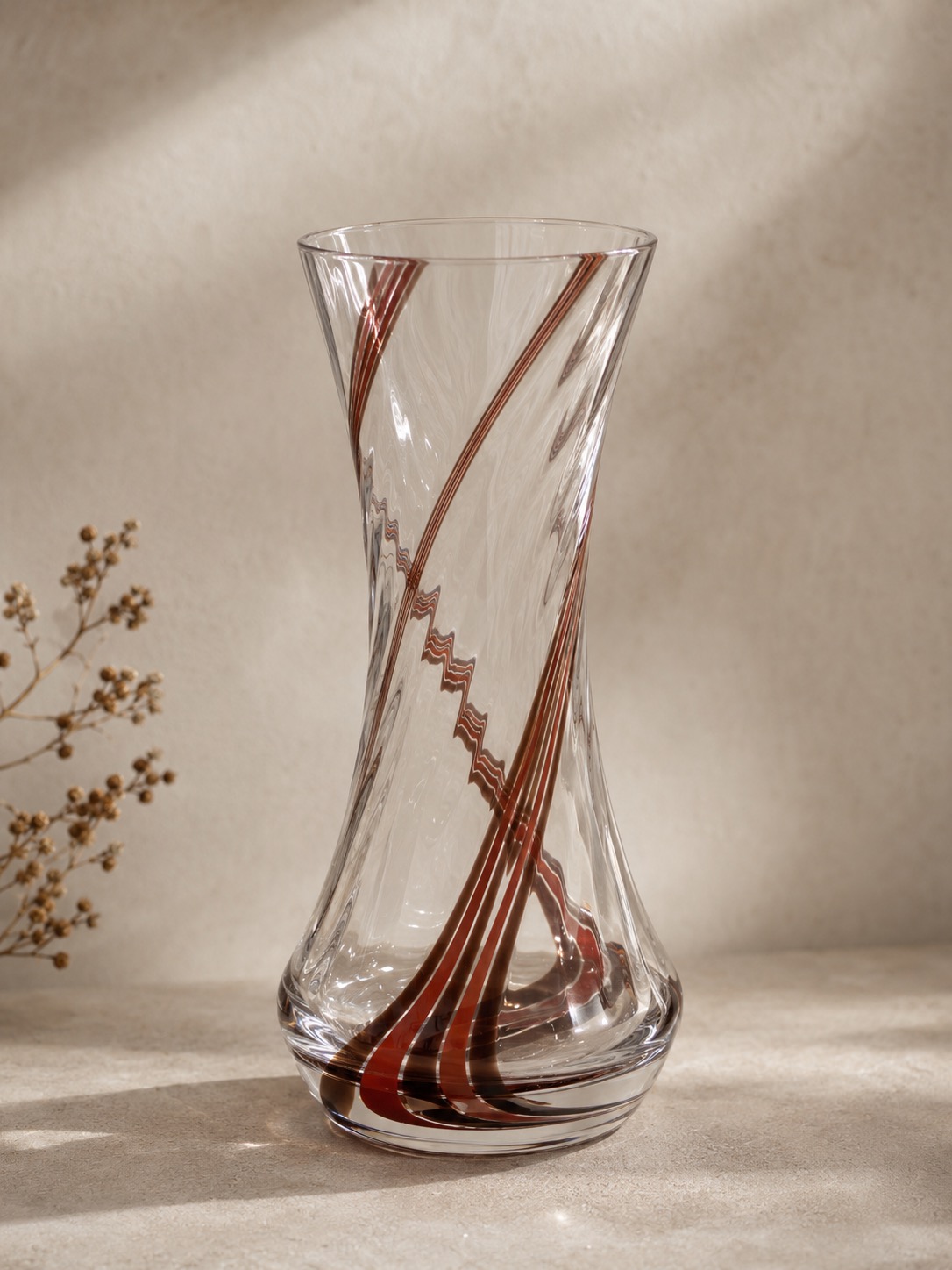
Each project begins with a sourced crystal vase selected for its form, cut pattern, and potential interaction with light.
Every lamp is unique, shaped by the cut pattern, history, and imperfections of the original vase.
The project began with an experiment in Tunisia and a fascination with how light transforms a space.
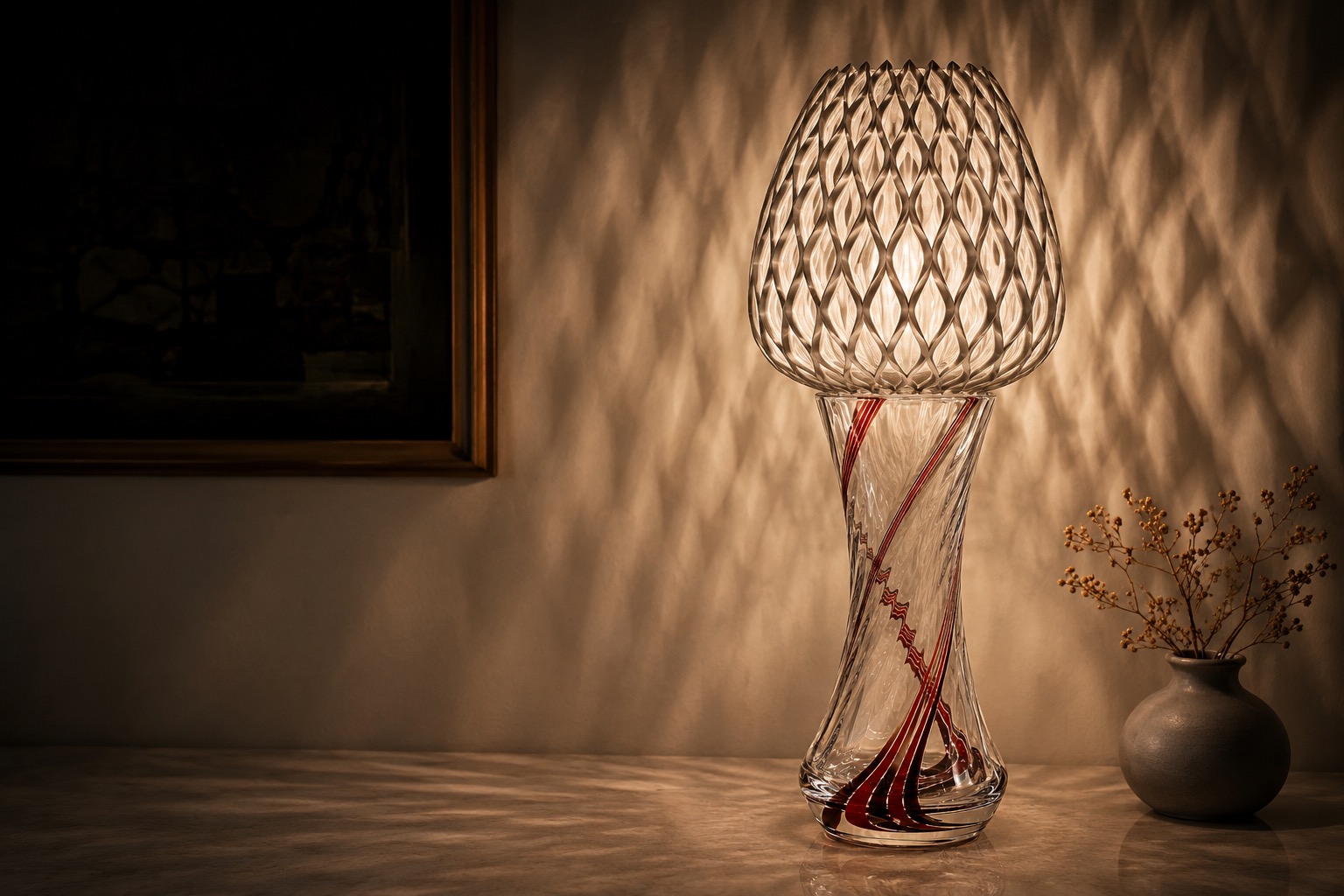
LayerLit Studio develops lighting from sourced crystal vases, adapting each vessel into a functional lamp with a fitted electrical assembly and 3D-printed shade head.
The work sits between lighting design, reuse, and digital fabrication. It starts with an existing object rather than a blank material, letting the vase guide the final character of the lamp.
The first LayerLit collection is being photographed now. Sign up for launch news, new objects, and workshop announcements.
You'll be the first to hear when the LayerLit collection launches, with updates on new lighting objects and upcoming workshops.
Crystal vases already hold pattern, weight, and history. Their cut surfaces catch, refract, and scatter light in ways that ordinary materials cannot.
LayerLit Studio uses those qualities as the starting point for new lighting objects, turning overlooked decorative pieces into atmospheric, functional lamps.
The process moves from selecting an existing crystal vessel to preparing the object, fitting the shade assembly, and testing the finished lamp as a source of glow and atmosphere.
Each project begins with a sourced crystal vase selected for its form, cut pattern, and potential interaction with light.
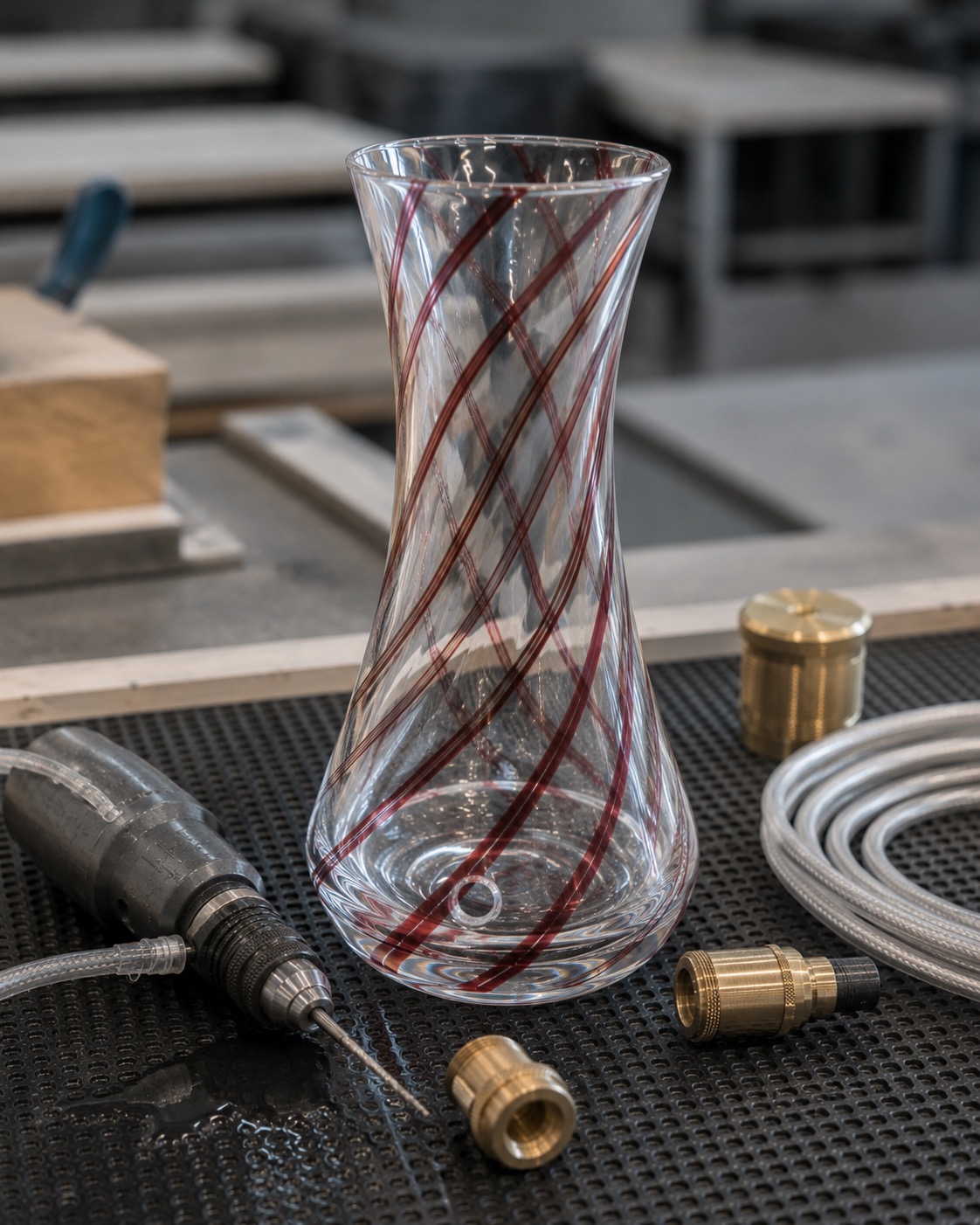
The glass is prepared and fitted with the necessary cabling and lamp hardware before workshop use.
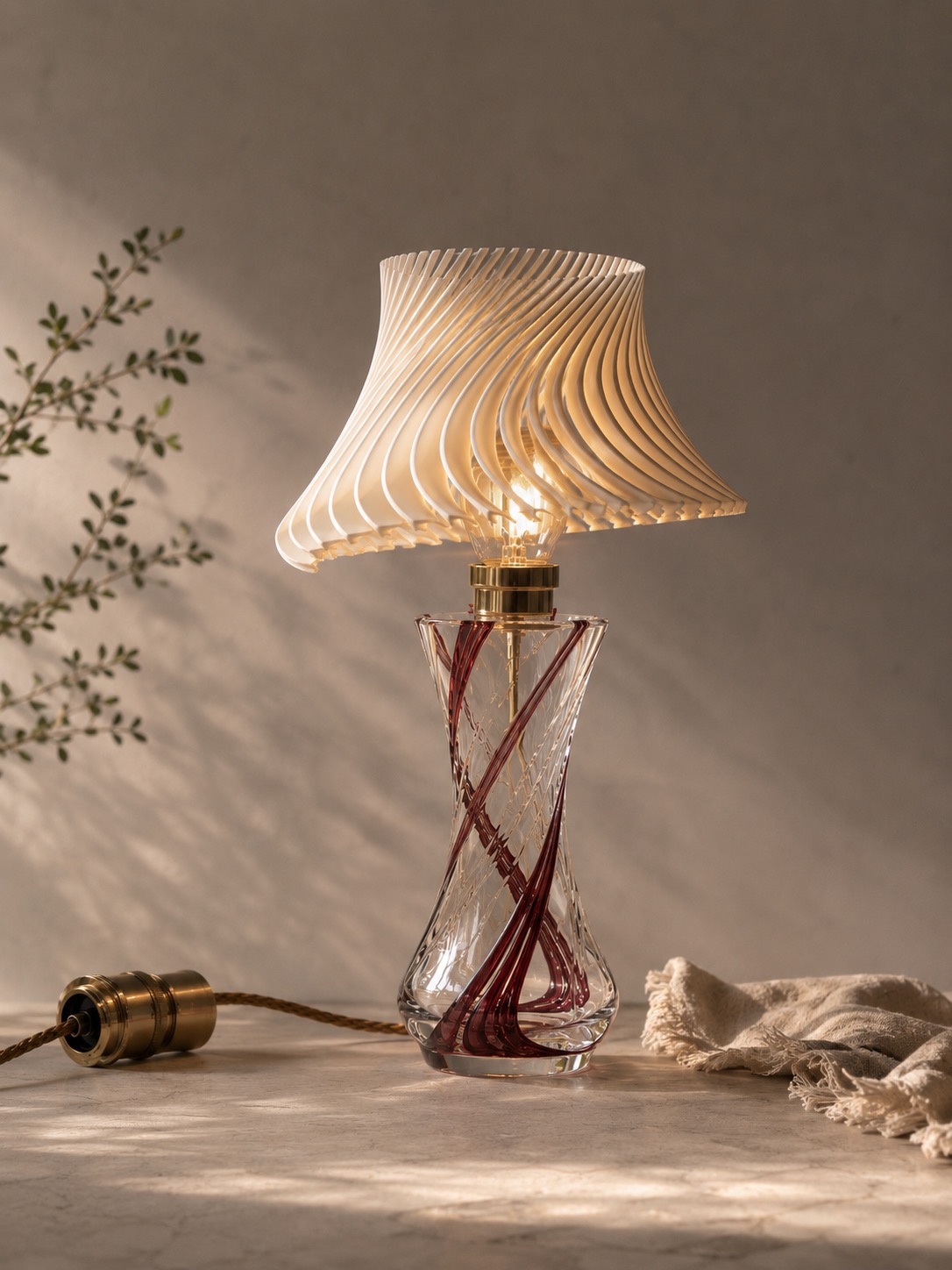
A 3D-printed shade head is fitted to soften the bulb, shape the silhouette, and complete the object.
The finished lamp is tested as a light source, revealing glow, shadow, material detail, and atmosphere.
LayerLit Studio is moving from finished prototype objects into a pilot workshop programme with partner venues.
The first four lamps established the core LayerLit process, proving that reclaimed crystal, bespoke fittings, and a 3D-printed shade could become a coherent lighting collection.
Venue partnerships, photography, participant testing, and workshop refinement are shaping the pilot experience ahead of the first public sessions.
Pilot events will test the workshop with participants, gather feedback, document outcomes, and inform future LayerLit collections and additional venue partnerships.
A workshop that brings creativity, visitors, and visually memorable outcomes to your venue.
Perfect for makerspaces, libraries, museums, and community venues.
Unusual workshop format.
Brings new audiences.
Lighting, reuse & digital fabrication.
Creates striking photography and social content.
Supports an Arts Council England project.
Free community workshops for people of different ages, planned for around 8–12 participants per session.
Each session lasts about 2 hours, moving from project context to guided assembly and light testing.
Specialist materials, tools, and prepared components are provided. 3D printers are optional depending on the venue.
The workshop moves through a guided vase-to-lamp process using prepared components. Participants do not drill glass. Vases are prepared in advance for safety, insurance, and timing, so the workshop can focus on assembly, design choices, illumination, and creative reuse.
LayerLit Studio transforms sourced crystal vases into one-of-a-kind lamps, combining reuse, lighting design, and digital fabrication.
Participants are guided through the vase-to-lamp process, including story, assembly, shade fitting, light testing, and creative reuse.
No. Crystal vases are prepared and pre-drilled in advance for safety, insurance, and practical reasons.
No. The workshop is designed for beginners and community participants, with all specialist materials and tools provided.
Yes. Host venues need a suitable space with tables or workbenches and standard power. LayerLit Studio provides the prepared components, tools, materials, and facilitation.
The first collection is currently in development. Future updates will be shared as the project develops.
Pilot workshops
LayerLit Studio is currently developing pilot workshops with partner organisations and makerspaces while exploring additional opportunities with community venues across London and surrounding areas.
The workshop is designed to bring new visitors into the space, create visually engaging documentation, and introduce people to lighting, reuse, and digital fabrication.