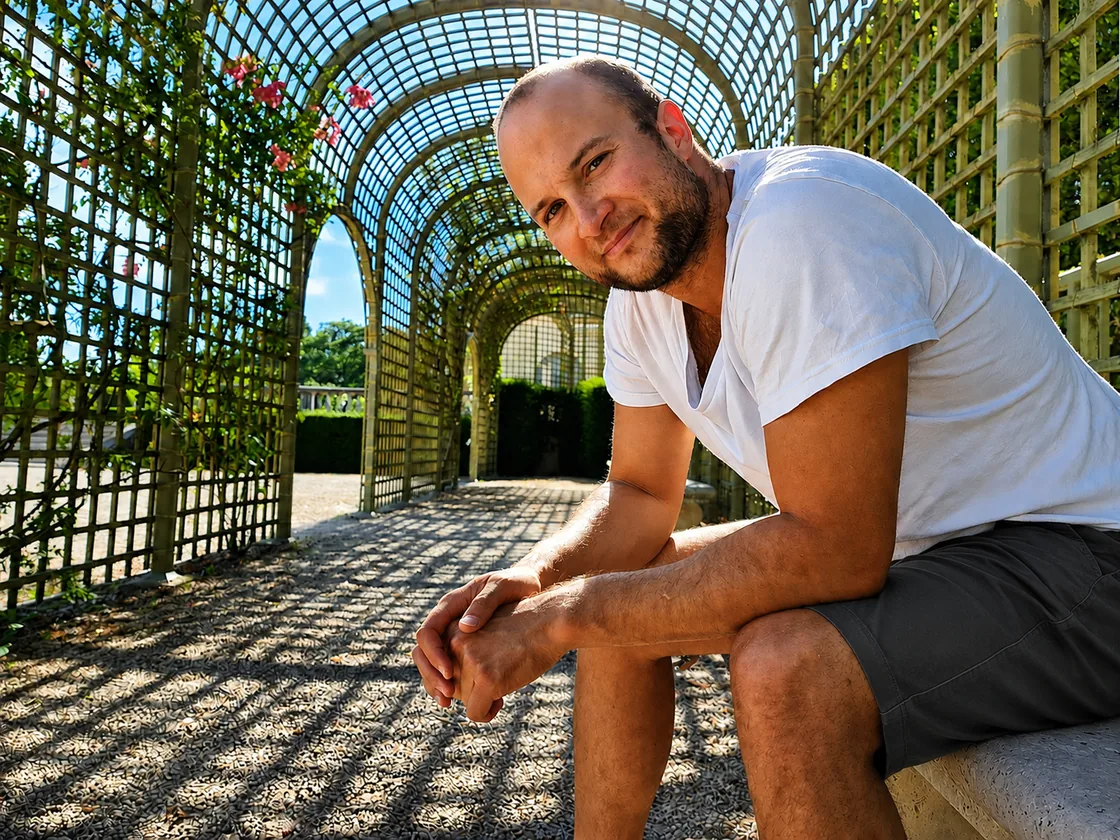
LayerLit Studio didn't begin with a business plan, a workshop programme, or even a lamp.
It began with a ceramic object and a candle.
While living in Tunisia in my twenties, I remember a ceramic light in my family home, lit by candlelight. What stayed with me wasn't the object itself, but the patterns it projected around the room. Light seemed capable of transforming an ordinary space into something atmospheric and memorable. That stayed with me for years.

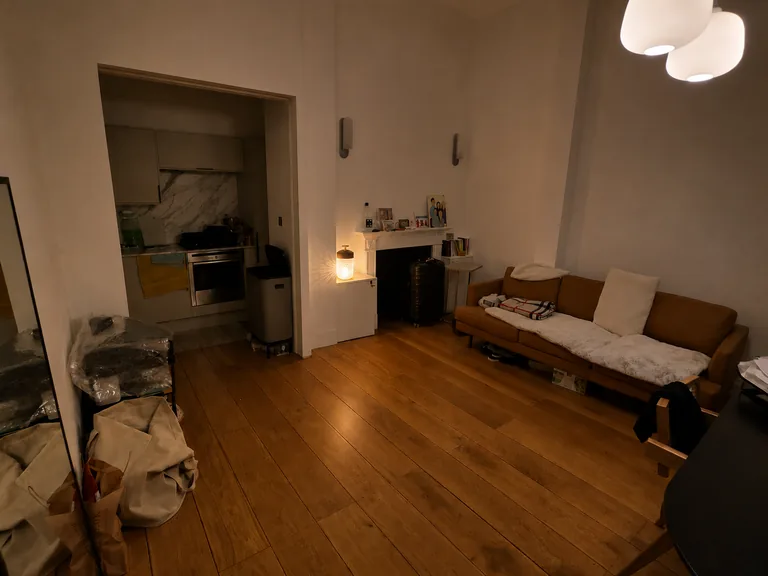
The moment it resurfaced, I remember clearly. An ex-girlfriend had a Hermès crystal light — beautifully made, the kind of object that commands a room. The way it caught and scattered light took me straight back to Tunisia. Standing there looking at it, something clicked. I thought: I wonder if I could create something that captured the same sense of atmosphere.
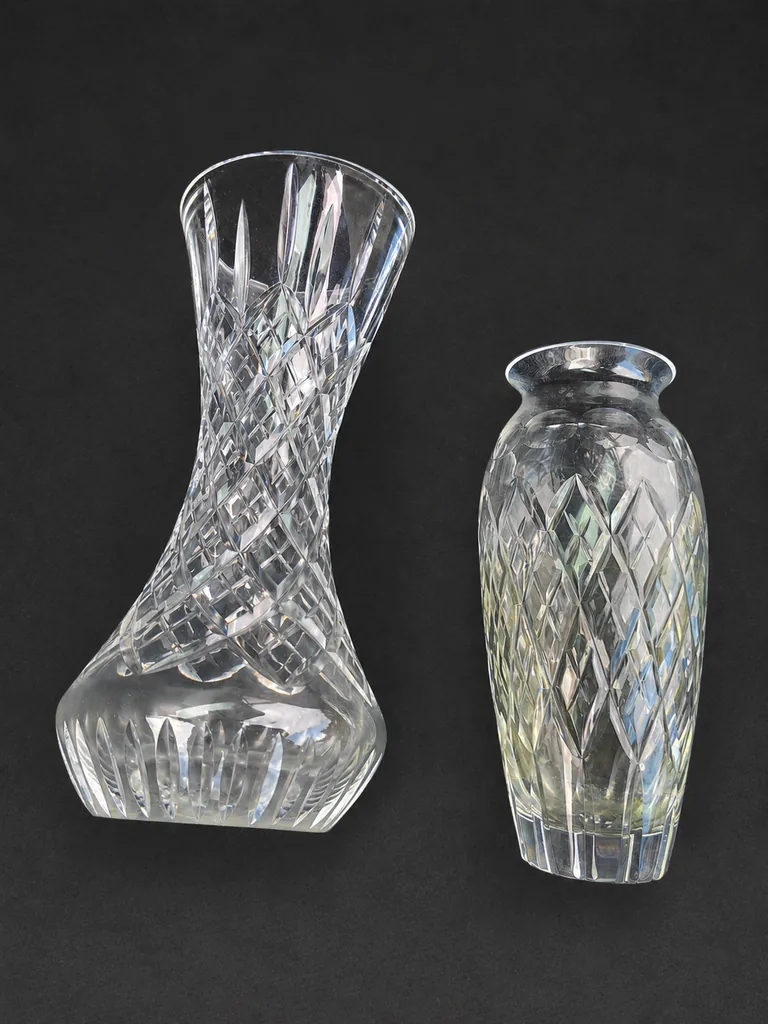
That was when I found myself looking at crystal vases differently. Many of them spend years sitting on shelves, tucked away in cupboards, or passed between generations. Yet crystal has a remarkable relationship with light. Its cut surfaces catch, reflect, and scatter illumination in ways that few other materials can. I started wondering whether a crystal vase could become something more than a decorative object.
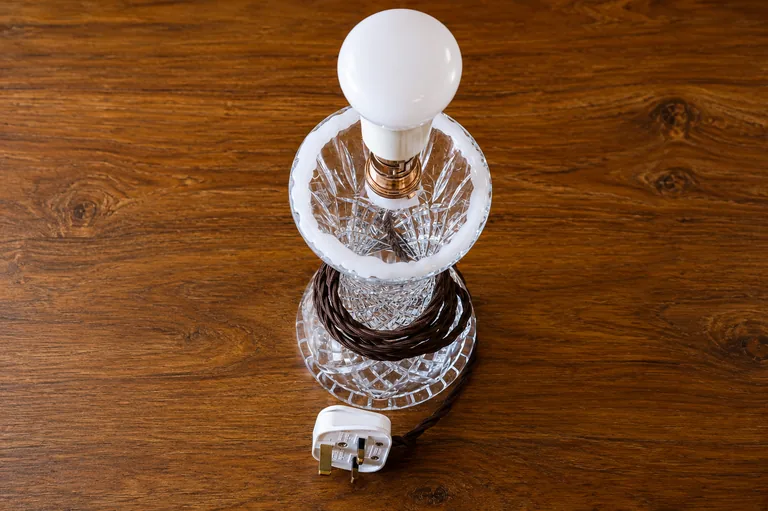
The idea seemed simple enough. The reality was not. I sourced my first crystal vase through Facebook Marketplace from a family selling part of a relative's collection. I explained that I wanted to transform the vase into a lamp rather than use it in its original form. To my surprise, they loved the idea. What followed was a period of experimentation.
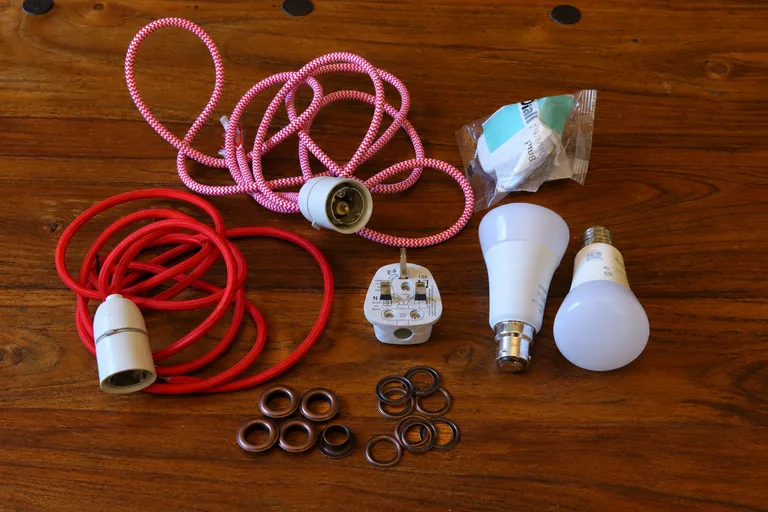
There was no step-by-step guide to follow. I had to figure out how to drill crystal safely, fit electrical components, and adapt a vessel that had never been designed to become a lamp. Each stage felt like a small challenge.
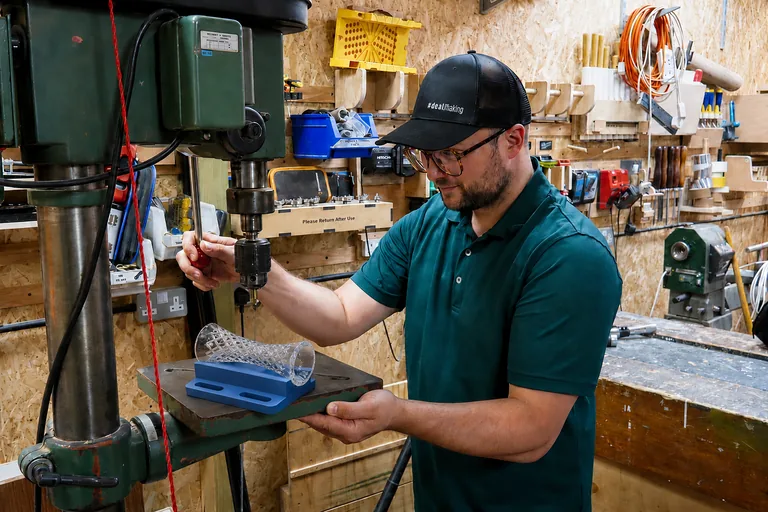
Crystal is beautiful, but it is not forgiving. One mistake could crack or chip the vase and end the project before it had properly begun. Eventually, after plenty of research, patience, and careful work, the first lamp came together.
When I switched it on for the first time, I knew there was something worth exploring further. The light interacted with the crystal in ways I had hoped for but couldn't fully predict. Patterns appeared through the cut glass. Reflections shifted as you moved around the object. The vase seemed to take on a completely new character.
What had once been a decorative item became something functional, atmospheric, and alive with light. That first lamp led to another. Then another.
As the project developed, it became clear that something was missing. A naked bulb — however beautifully it interacted with the crystal — was hard on the eyes. I started sourcing copper shades, hoping one might work. None of them did. Every vase is different, and an off-the-shelf shade designed for a standard lamp will never truly fit an object that was never designed to be one.
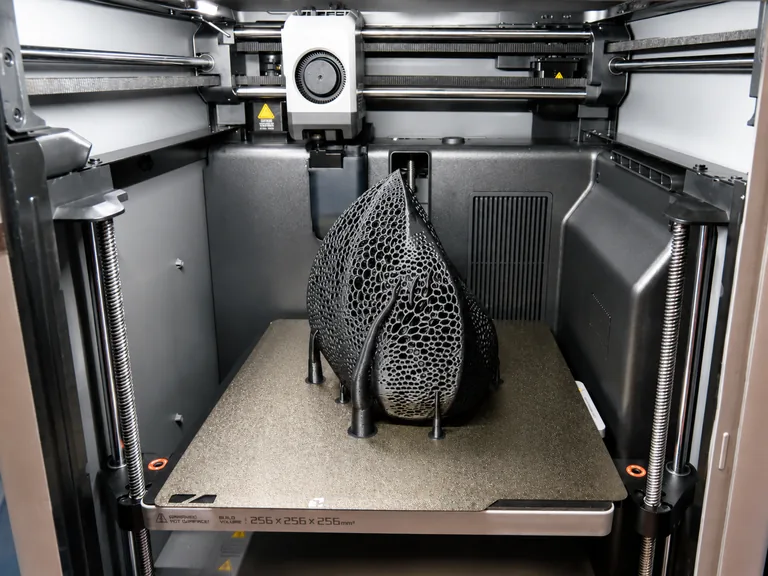
The solution came unexpectedly. A friend showed me a mechanical component he'd 3D printed from carbon fibre composite — a material I hadn't even known could go through a 3D printer. The object itself didn't matter. What struck me was that he'd made something completely custom, one of one, built exactly to spec. For a project where no two vases are identical, that felt like the answer.
What followed was another learning curve. I worked through courses on Fusion 360, spent time understanding the software, and ran through more failed prints than I'd like to admit. Like most things in a makerspace, you try, you fail, and gradually you get closer. Eventually the shades started coming out right. The combination of reclaimed crystal, electrical assembly, and digital fabrication gradually became the foundation of what is now LayerLit Studio.
Along the way, I gave some of the lamps away as gifts. Watching people's reactions became one of the most rewarding parts of the process. Most people didn't immediately realise what they were looking at. Once they understood that the lamp had started life as a crystal vase, the conversation almost always changed. People became curious.
Where did the vase come from? How was it made? Those questions eventually led me beyond the objects themselves. The workshop programme that LayerLit Studio is now developing grew from that curiosity. A day spent together — part talk, part hands-on — working through the components of a lamp, understanding the tools each stage requires, and then actually building one. Participants leave with something they made themselves, from materials that each carry their own history.
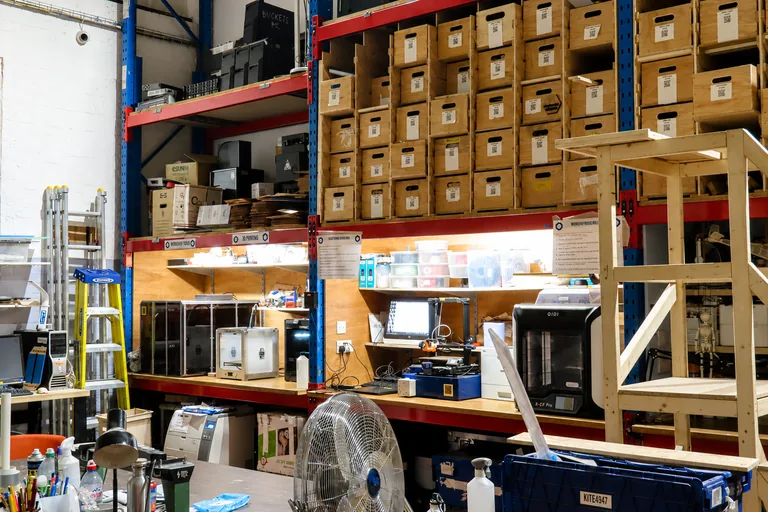
But the lamp is almost beside the point. Before this project, I didn't even know Makerspaces existed. Discovering them opened up an entire world of tools, skills, and communities that I would never have encountered otherwise. Part of the reason for the workshops is simple: I want other people to discover that world too.
What I want them to leave with isn't just a finished object. It's the feeling that they can take a material, a skill, or an idea they hadn't considered before and make something from it. Whether that's another lamp or something else entirely. Today, the project sits between lighting design, creative reuse, and community making.
Every lamp begins with an existing crystal vase. Every piece has its own history, character, and imperfections. No two objects behave in exactly the same way, and that unpredictability remains one of the most enjoyable parts of the process. What started as an experiment has become an ongoing exploration of light, material, and possibility.
Sometimes the most interesting objects aren't the ones that are newly made. They're the ones waiting for a second life.